ISO-CERTIFIED
"ELIMINATE CONDUCTIVE CONTAMINANTS."
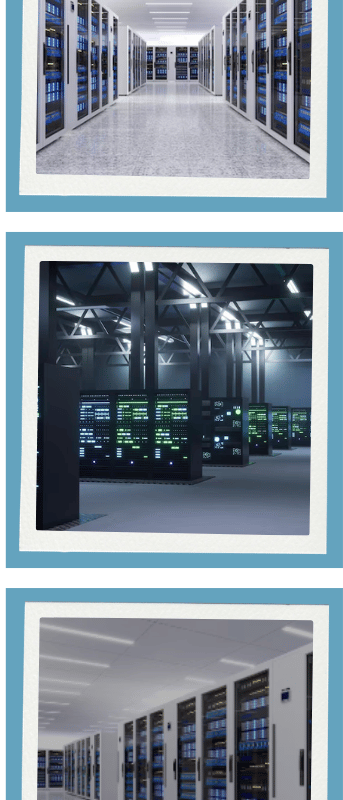
PROTECT YOUR HARDWARE
Professional decontamination for Tier I-IV facilities. Specialized ESD-Safe protocols and medical-grade air scrubbing.

Regulatory & Compliance Standards
At Trust Grid Services, our work is guided by the global standards that govern mission-critical environments. We don’t just clean; we follow a rigid framework to ensure your facility meets the safety and insurance requirements of your industry.
Trust Grid Services: Master Certification Schedule
| Priority | Certification | Valid For | Maintenance Action | Next Renewal Window |
|---|---|---|---|---|
| CRITICAL | HAZWOPER | 1 Year | Annual 8-Hour Refresher Required | July 2027 |
| HIGH | DCCS | 3 Years | Renewal Exam & Active Subscription | May 2029 |
| HIGH | HEPA Technical | 3 Years | Refresher Course + Annual Equipment Test | June 2029 |
| CRITICAL | OSHA Health Hazard Awareness | Indefinite | Annual Safety Protocol Review | Verified / No Expiry |
| STABLE | ISO Cleanroom | Indefinite | Periodic Standard Review (ISO 14644) | Verified / No Expiry |
| STABLE | Clean Room Standards | Indefinite | Annual Internal Protocol Audit | Verified / No Expiry |
| TECHNICAL | Cybersecurity (Physical) | Indefinite | Semi-Annual Security Audit | Verified / No Expiry |
| TECHNICAL | Cybersecurity (Business) | Indefinite | Annual Cyber-Risk Assessment | Verified / No Expiry |
| TECHNICAL | HEPA Field eLearning | Indefinite | Technical Vocabulary Review | Verified / No Expiry |
1. ISO 14644 (Cleanroom Standards)
What it is
This is the international “rulebook” for how clean the air needs to be in a technical room. How we apply it: We use digital particle counters to measure the air in your facility. Our goal is to verify that your room meets the specific “Class” rating (such as Class 8 for most data centers) required for your equipment to run safely. We provide you with a report showing these numbers before and after we work.
2. ASHRAE TC 9.9 (Thermal & Airflow Guidelines)
What it is
What it is: These are the guidelines set by the world’s leading engineers for how data centers should be cooled and maintained. How we apply it: Dust and debris in sub-floor plenums or server racks block airflow and cause servers to overheat. We follow ASHRAE’s recommendations for physical hygiene to help your cooling systems work efficiently, reducing your energy costs and preventing hardware failure.
3. ESD-Safe Protocols (Static Control)
What it is
What it is: In a room full of electronics, a tiny spark of static electricity can destroy a million-dollar server. How we apply it: Everything we bring into your facility is “ESD-Safe.” We use non-conductive vacuums, specialized anti-static brushes, and chemistry designed to neutralize static on your floors and racks. We ensure that our presence never creates a risk for your active hardware.
4. ICRA & OSHA (Safety & Infection Control)
What it is
What it is: These are the standards for keeping workers safe and preventing the spread of contaminants, especially in medical or lab settings. How we apply it: We follow strict Infection Control Risk Assessment (ICRA) protocols to make sure our decontamination process doesn’t stir up dust or biological risks. We also adhere to all OSHA safety guidelines to ensure a secure work environment for our technicians and your staff.
Our Verification Process Every Trust Grid project concludes with a Technical Post-Service Report. This document serves as your record for insurance audits and facility management logs, proving that your environment has been remediated to professional industry standards.
Resource Library
Technical insights for facility managers protecting data centers, labs, and mission-critical infrastructure.
Preparing for an ISO 14644-1 Audit: A Facility Manager’s Checklist
ISO 14644-1 is one of the most important standards used to evaluate clean environments. For data centers, laboratories, cleanrooms, and controlled technical spaces, particulate levels can directly affect performance, compliance, and facility risk. Preparing for an ISO-related audit requires more than a quick cleaning. Facility managers need to evaluate airflow, contamination sources, equipment hygiene, and documentation. A clean-looking room may
ULPA vs. HEPA: Why Standard Janitorial Equipment Fails in the Data Center
Data centers and technical facilities require more than surface-level cleaning. Standard janitorial equipment can move dust around instead of removing it, and in sensitive environments, that can create real operational risk. HEPA and ULPA filtration systems are designed to capture microscopic particles that ordinary vacuums and cleaning tools often miss. HEPA filtration is commonly used to capture fine particles, while
The Hidden Cost of Zinc Whiskers: Protecting Your Server Longevity
Zinc whiskers are tiny metallic filaments that can grow from galvanized steel surfaces commonly found in raised floor systems, cable trays, equipment supports, and other technical infrastructure. Although they are nearly invisible to the naked eye, they can become a serious threat when they break loose and enter active server hardware. In mission-critical environments, even a small conductive particle can
PROACTIVE
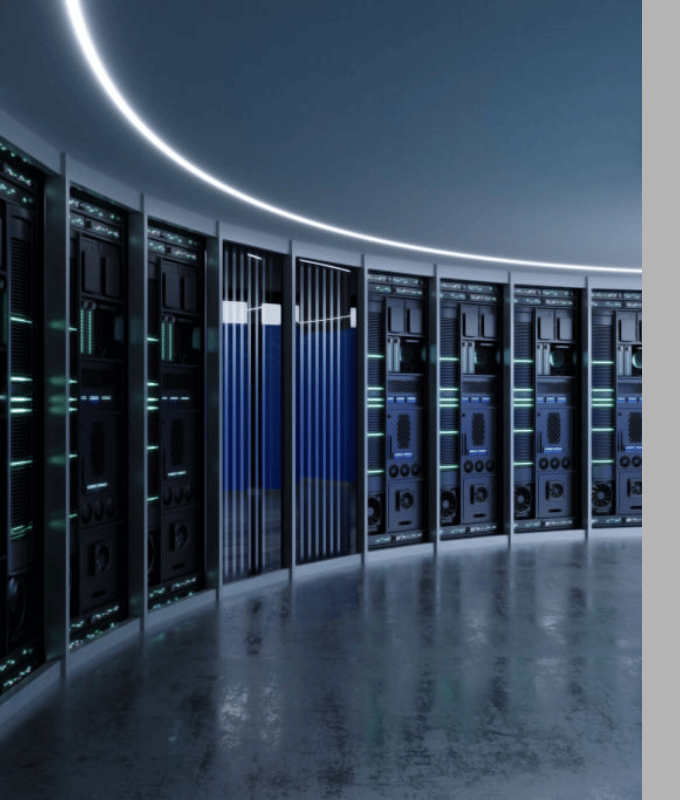
By establishing rigorous ISO-standard cleaning cycles and strict particulate-entry barriers, we ensure your facility remains a protected sanctuary for high-density infrastructure and mission-critical data.
CONTAMINATION
Neutralizing the invisible risks to critical hardware
Our specialized protocols target microscopic conductive fibers, zinc whiskers, and atmospheric dust using medical-grade H13 HEPA filtration and non-conductive, ESD-safe vacuum systems.
CONTROL